
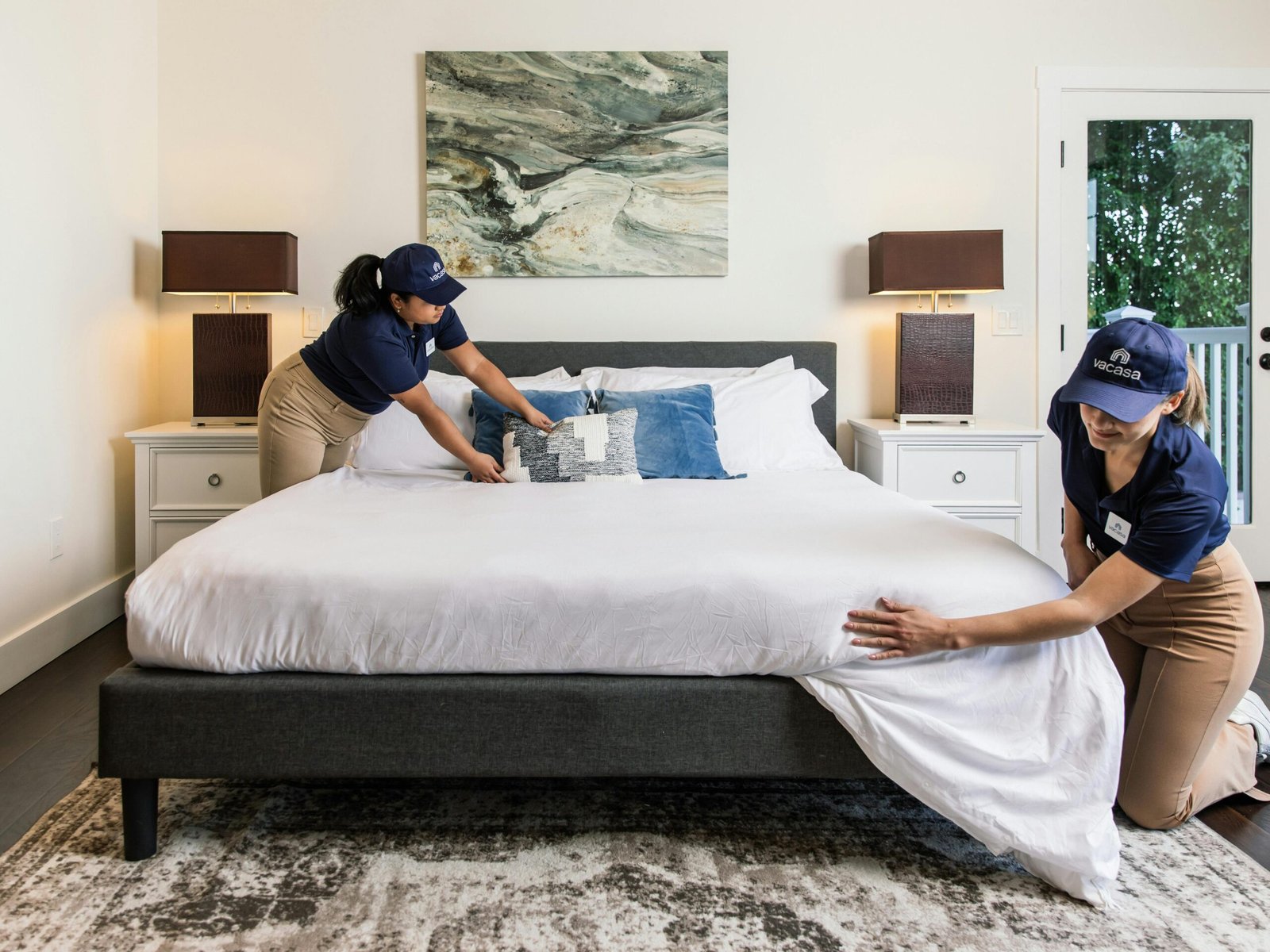
A professional short-term rental cleaning service is part of the guest experience, not simply a way to make a property look tidy. Between check-out and the next arrival, the home has to be restored to a predictable standard: beds remade, bathrooms cleaned, kitchens reset, rubbish removed, supplies checked and any maintenance problems reported. When that process is unreliable, the host may face complaints, refund requests or a rushed last-minute visit.
The best cleaning arrangement is one that fits the property’s size, booking pattern and service expectations. This guide explains how to define the work, choose between an independent cleaner and a company, organise linen and supplies, coordinate tight turnover windows and assess quality without micromanaging every task.
Define What “Guest Ready” Means
Before asking for quotes, describe the condition you expect at check-in. Guests should arrive to clean bathrooms, fresh linens, an orderly kitchen, clear floors, empty rubbish bins and working basic amenities. The property should also be arranged consistently so that the photos, listing description and actual space match.
Write down the standard rather than relying on an informal instruction such as “clean everything.” Define what gets replaced, where items are stored, how beds are made, how towels are folded and what should be reported. A visual reference for each room can make expectations easier to communicate to different cleaners.
Turnover Cleaning Versus Deep Cleaning
A turnover clean is the routine reset between bookings. It typically includes cleaning guest-use areas, changing linens, removing rubbish, replenishing agreed consumables and checking visible property condition. The work must be completed within the time available before the next check-in.
A deep clean covers more detailed or less frequent tasks. Examples include cleaning behind appliances, inside cupboards, baseboards, vents, upholstery, grout, window tracks and hard-to-reach fixtures. Deep cleaning should be scheduled separately so that a cleaner is not expected to complete intensive maintenance during every same-day changeover.
Build a Repeatable Room Sequence
A standard room order helps prevent missed tasks. Many teams begin by opening curtains or windows where appropriate, collecting used linens and rubbish, and identifying damage or maintenance concerns. They then clean the rooms, replace linens, restock supplies and finish with a property-wide visual check. The exact sequence should suit the property’s layout and avoid carrying dirty items through areas that have already been reset.
In the living area, remove rubbish, wipe surfaces, clean floors, check seating for forgotten belongings and return furniture to its reference position. Inspect remotes, lamps and visible fixtures. In bedrooms, strip used bedding, inspect mattress protectors, remake the bed and check wardrobes, drawers and bedside areas for items left behind.
Kitchen Reset Standards
The kitchen should be clean and ready for food preparation. Remove rubbish, wash and put away dishes, wipe countertops, clean the sink and check appliance fronts. Inspect the refrigerator for food left by previous guests according to the host’s policy. Empty or reset the dishwasher as agreed, and make sure that basic cookware, cutlery and utensils are available in their designated places.
Agree exactly what happens to opened food. Some hosts choose to remove all guest food after each stay, while others have a clearly defined policy for sealed pantry items. Do not leave perishable or uncertain food for the next guest. The cleaner should report a broken appliance, leak or unusual odour rather than attempting an unapproved repair.
Bathroom Hygiene and Chemical Safety
Bathrooms require careful cleaning of toilets, sinks, taps, showers, tubs, mirrors and frequently touched surfaces. Remove used towels and mats, replace them with clean items, empty bins and restock agreed toiletries. The floor should be dry and the room should not smell strongly of cleaning chemicals when a guest arrives.
Use products according to their labels and the property’s material-care instructions. Never mix cleaning chemicals, especially bleach with ammonia or acids. Keep cloths and tools separated between toilet areas and food-preparation surfaces. Ventilate as directed on product labels and store chemicals securely away from guests and children.
Laundry Is a Scheduling System, Not Just a Chore
Linens can become the bottleneck in a same-day turnover. If the cleaner must wash, dry and fold every item before remaking the beds, a delay in the laundry cycle can affect check-in readiness. Hosts often reduce this risk by keeping multiple clean sets for each bed and rotating them between the property and a laundry area.
Label storage shelves and separate clean, ready-to-use linens from used laundry. Track the condition of sheets, duvet covers, mattress protectors and towels. Do not store damp items, because trapped moisture can create odours. Agree whether the cleaning service handles laundry on site, transports it to an external facility or works with a dedicated linen provider.
Set Clear Restocking Quantities
Restocking needs a defined standard. Specify the number of spare toilet rolls per bathroom, the amount of hand soap, dish soap and bin liners, and any guest amenities that should be replaced. If the cleaner is left to guess, some stays may have excessive supplies while others run short.
Keep a labelled owner inventory in a locked cupboard or other agreed location. Set minimum stock levels for each consumable and ask the cleaner to report low quantities. Clarify whether the service fee includes restocking labour only or also the cost of purchasing and delivering supplies. Reimbursements should be documented with receipts or an agreed inventory system.
Condition Checks and Maintenance Reporting
The turnover visit is an opportunity to notice visible problems before the next guest arrives. A cleaner may spot a broken lamp, loose handle, leak, damaged furniture, missing kitchen item, unusual odour or sign of pests. Use a simple reporting form with the room, issue, urgency and photograph where appropriate.
Photographs should focus on the property condition and follow agreed privacy rules. Do not photograph guest documents, personal items or sensitive belongings unless there is a legitimate and policy-compliant reason. The cleaner should report found property promptly and avoid contacting a guest independently unless the host has authorised that process.
How to Coordinate a Tight Turnover Window
Same-day check-out and check-in schedules can compress the cleaning window. Share accurate departure and arrival times, access information and any special requests as early as possible. Do not promise early check-in until the cleaning team has completed the work and any reported issue has been resolved.
Track the expected time needed for the actual property. Include access, laundry handling, cleaning, restocking, inspection and travel if the cleaner covers multiple addresses. If the schedule is consistently unrealistic, consider a longer gap between bookings, a second cleaner, a linen rotation or a dedicated laundry service. A rushed clean is likely to produce repeat problems.
What Affects the Cleaning Fee?
Pricing may depend on the property’s square footage, bedrooms, bathrooms, number of beds, guest capacity, laundry volume, location, frequency and additional features such as balconies or hot tubs. A small studio is not comparable to a multi-level house with several bathrooms and outdoor areas. Quotes may be per turnover, hourly or based on a service contract.
Ask whether the price includes linen change, laundry, dishwashing, restocking, inspection photographs and rubbish removal. Confirm extra fees for excessive mess, pet hair, extra beds, same-day emergency work, supply runs or late check-out. Do not assume that the cleaning fee charged to a guest is exactly equal to the cost paid to the cleaner.
Choose an Independent Cleaner or a Cleaning Company?
An independent cleaner may offer direct communication and a flexible arrangement, especially for one property. A company may provide backup staff, documented procedures and capacity to handle several homes. The best option depends on reliability, service area, training, references, insurance arrangements and the ability to meet the booking calendar.
Ask what happens if the assigned cleaner becomes ill or is delayed. Confirm who manages the schedule and who is responsible for checking the completed work. If a company uses multiple team members, ensure every worker receives the property guide and access instructions. A low price is not useful if the service cannot cover an urgent turnover.
Access, Keys and Property Security
Cleaning staff need a safe and reliable way to enter the property. Use unique access codes where possible and remove access when a working relationship ends. Avoid sharing personal home passwords or codes that grant entry to unrelated areas. Agree how keys are stored, who can request replacements and how a lost key is reported.
Explain rules for alarms, windows, heating, air conditioning and locked owner storage. The cleaning service should know which spaces are off limits and what to do if a guest has left the property in an unexpected condition. Clear access procedures protect the host, guest and cleaning team.
Quality Control Without Micromanagement
A room-by-room checklist is the foundation of a dependable service. Add reference photographs for key areas, a list of consumables and a short final inspection checklist. Ask the cleaner to confirm completion and report any issue that prevents the property from meeting the standard.
Review guest feedback for patterns. One complaint may reflect an isolated oversight, while repeated comments about bathrooms, floors or linens indicate that the process needs improvement. Give specific, respectful feedback and update the checklist when expectations change. Recognise reliable work and pay agreed rates on time; a stable cleaning relationship is an important operating asset.
When to Schedule a Deep Clean
Deep-clean frequency depends on booking volume, property condition, materials and local environment. High-turnover properties may need detailed work more often than a home with occasional bookings. Plan periodic attention for grout, upholstery, window tracks, appliance interiors, baseboards, fans and other areas that a routine turnover does not fully address.
Combine deep cleaning with preventive maintenance. Check caulking, shower seals, cabinet hardware, visible leaks, HVAC filters and safety equipment according to the manufacturer’s instructions and local rules. A visual check by a cleaner is not a substitute for professional inspection or servicing where required.
Questions to Ask Before Signing a Service Agreement
- Which tasks are included in a standard turnover?
- Who provides cleaning products, equipment, linens and guest consumables?
- How are laundry, restocking and property-condition photos handled?
- What are the charges for excessive mess, extra beds or urgent bookings?
- How do you cover staff absences and same-day schedule changes?
- How are damage, lost property and maintenance issues reported?
- What access, key-storage and privacy procedures do you follow?
- Can I arrange a trial clean before signing a long-term agreement?
Frequently Asked Questions
What does a short-term rental cleaning service include?
It commonly includes cleaning guest rooms, bathrooms and kitchens, changing linens, removing rubbish, restocking agreed supplies and checking visible property condition. The exact scope should be written into the agreement.
How long does a turnover clean take?
Time depends on the property size, number of beds and bathrooms, laundry, guest count, condition and extra tasks. Ask for an estimate based on the actual floor plan.
Should the cleaner wash all the linens?
That depends on the agreement and turnover time. Multiple linen sets or an external laundry service can reduce pressure during same-day changeovers.
How often should a rental receive a deep clean?
There is no universal schedule. Base it on booking frequency, property condition, material-care needs and recurring issues identified during inspections.
Should the cleaning team report damage?
Yes. A clear process helps the host respond before the next arrival. The cleaner should document the issue and let the host manage guest communication or any booking-platform process.
How can a host improve consistency?
Use a written room checklist, reference photographs, clear restocking levels, realistic turnover times and regular feedback with the cleaning team.
Conclusion
A strong short-term rental cleaning service combines predictable cleaning standards with linen management, restocking, condition reporting and reliable communication. Hosts should define the scope, set realistic turnover windows, maintain backup supplies and separate routine resets from deep cleaning. Choose a cleaner or company for consistency, security procedures and transparent pricing rather than the lowest quote alone. A clear system makes guest readiness easier to measure and easier to repeat.
