
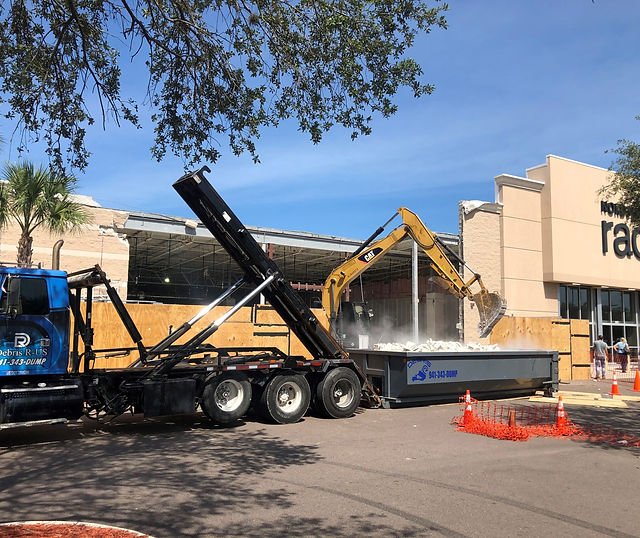
A 20 yard roll off dumpster in Brussels, WI can be a useful option for a substantial home cleanout, renovation or property project. It sits between smaller residential containers and larger construction bins, giving a project more volume without automatically requiring the largest available size. The right choice, however, depends on the type of debris, its weight, access to the property and the rental company’s disposal rules.
Before booking, think through the job rather than selecting a container from its name alone. A container can reach its weight limit before it looks full, especially when the load includes concrete, soil or roofing material. This guide explains the practical planning steps for a roll-off rental in Brussels and the questions to ask a provider before the truck arrives.
Understand the 20-Yard Measurement
The 20-yard label refers to volume: approximately 20 cubic yards. One cubic yard equals 27 cubic feet, so the nominal internal volume is about 540 cubic feet. This measurement describes space, not weight. It does not mean the container can carry 20 tons or that every kind of material can safely fill the space.
Ask the rental company for the actual container dimensions. Length, width and wall height vary by provider, and the outside dimensions determine how much room is needed for placement. A rear swing door may make it easier to walk bulky items into the container, but the door requires clearance to open safely. Confirm whether the specific unit has that feature.
Projects That May Suit a 20-Yard Container
A 20-yard container is commonly considered for medium-sized renovation debris, a garage or basement cleanout, a deck replacement, a large decluttering project or a roofing job where the amount and weight of material fit the provider’s limits. It can also be useful for contractors who need one container for a defined project rather than regular daily waste collection.
Project size alone does not determine the right container. A room full of furniture, boxes and light household items may occupy considerable space but weigh less than a smaller pile of dense demolition material. Tell the provider what you are removing, including any heavy or unusual materials. Ask whether a dedicated low-wall or heavy-debris container would be more appropriate.
Estimate the Volume Before Calling
Walk through the project and list the main debris categories: furniture, flooring, drywall, wood, packaging, appliances, yard waste or construction material. Estimate the dimensions of the piles or count large items. You do not need a perfect mathematical estimate, but a realistic description helps the provider recommend a size.
Break down bulky items where safe and permitted. Flattening cardboard and disassembling furniture can improve space use. Keep reusable goods and recyclable material separate where practical. Do not begin demolition before confirming what can be accepted and how the provider wants restricted materials handled.
Weight Allowance Is a Separate Limit
Every rental quote should identify the included tonnage or weight allowance. A container filled with furniture and cardboard is different from one loaded with concrete, dirt or wet roofing shingles. Dense debris can exceed a weight limit long before the top of the container is reached.
Ask how the final weight is determined and what the overage rate will be. Many providers use a disposal scale ticket. Confirm whether the quoted amount includes a set tonnage and whether overweight material is billed per additional ton or by another formula. Get the rate in writing. Do not rely on a verbal statement such as “it should be fine.”
What Changes the Rental Price?
The cost of a 20-yard dumpster in Brussels may depend on delivery distance, the container size, included weight, rental duration, the material being discarded and local disposal fees. Fuel and seasonal demand can also influence a quote. A provider’s advertised starting price is not necessarily the total amount for a particular address and project.
Ask for an itemised estimate covering delivery, pickup, disposal, taxes, environmental fees, fuel charges and any other standard costs. Confirm the included number of rental days and what an extension costs. Ask whether there is a separate charge for heavy debris, appliances, mattresses, tires or other special items.
Prepare the Delivery Area
A roll-off truck needs a stable approach and enough space to position and lower the container. A driveway may be convenient, but confirm whether it can support the weight of the delivery vehicle and the loaded dumpster. A recently paved, cracked or soft surface may be unsuitable. Ask the provider whether boards or surface protection are recommended and whether they are supplied.
Move vehicles, trailers and equipment before the scheduled arrival. Identify low branches, overhead wires, fences, narrow gates and roof overhangs. Keep the area clear of landscaping features, drains and access covers that could be damaged. The truck may need more room than the container footprint itself because it must manoeuvre and unload.
Street Placement and Local Permission
Placing a roll-off on private property is different from placing it on a public street, sidewalk or right-of-way. Public placement may require permission or a permit from the authority responsible for that specific road or property. The requirements can depend on the location and jurisdiction. Do not assume that a permit rule from another Wisconsin town applies to Brussels.
If a container must occupy public space, ask the appropriate local authority what documentation, safety measures or timing restrictions apply. If the container will be on private property, check lease terms, property-association rules or contractor requirements where relevant. Keep pedestrian access, emergency routes and neighbouring driveways clear.
Which Materials Can Go Inside?
Many general roll-off rentals accept non-hazardous household junk, wood, drywall, furniture, packaging and mixed construction debris. Acceptance depends on the provider and the disposal facility. Some materials may require a separate container or additional charge. Ask about clean concrete, asphalt, dirt, shingles, yard debris and appliances before loading.
Hazardous chemicals, fuels, solvents, pesticides, liquid paint, batteries, propane cylinders, asbestos-containing material, medical waste and other regulated items should not be placed in a general dumpster unless the provider has expressly confirmed an approved arrangement. Electronics, tires and mattresses may also be subject to special handling rules. Request the prohibited-material list before the first load goes in.
Load the Container for Safe Transport
Distribute heavy items evenly rather than piling them all at one end. Keep material below the fill line and do not allow debris to extend over the walls. An overfilled container can be unsafe to transport and may be refused for pickup until it is corrected. Do not assume that a tarp makes an overfilled load acceptable.
Use gloves, sturdy shoes and eye protection when handling debris. Watch for nails, sharp metal, broken glass and dusty materials. Do not climb on the container walls or stand under a suspended door. If a rear door is provided, use it according to the rental company’s instructions and secure it when loading is complete.
Plan the Rental Period Around the Work
Ask how many days are included in the quoted rental. Build the schedule around preparation, loading, contractor access and any likely delay. If the project depends on deliveries or subcontractors, leave enough time for those steps. Choosing the shortest rental window can be risky when a job has several moving parts.
If you finish early or need more time, contact the provider before the scheduled pickup. Confirm how extensions are charged and whether an early collection is available. Keep the truck access area clear so a pickup is not delayed by parked vehicles, stored materials or blocked gates.
How to Compare Providers Serving Brussels
Ask each company whether it delivers to your exact address in Brussels, Wisconsin. Service areas can vary, and a provider that serves a nearby town may not cover every road or property. Confirm delivery availability for your preferred date and ask what happens if weather or route conditions delay the truck.
Compare service reliability as well as the total quote. Ask how the provider communicates delivery and pickup updates, how it handles an overweight load and what evidence appears on the final invoice. Read recent reviews for details about missed pickups, damage, responsiveness and billing clarity rather than relying only on an overall rating.
Questions to Ask Before Booking
- Do you serve my exact address in Brussels, WI?
- What are the container’s outside dimensions and included weight allowance?
- What is the overage rate, and how is disposal weight measured?
- Which materials are prohibited or subject to additional charges?
- How many days are included, and what does an extension cost?
- Does the written quote include delivery, pickup and disposal?
- What clearance and surface conditions does the truck need?
- Do I need permission for the proposed placement location?
Frequently Asked Questions
Is a 20-yard dumpster suitable for a home renovation?
It may suit a medium-sized renovation, but the correct size depends on the material, volume and weight. Share the project details with the rental company before ordering.
How much does a 20-yard dumpster cost in Brussels, WI?
There is no single guaranteed local price. Ask for an itemised quote based on your address, rental days, waste type, included weight and disposal fees.
Can I put concrete in a 20-yard roll-off?
Do not assume a standard mixed-debris container can accept a full concrete load. Dense material may exceed the weight allowance quickly. Ask about a dedicated heavy-debris option.
Can the container be placed in the street?
Public placement may require permission or a permit from the relevant authority. Confirm the requirements for the exact location before delivery.
What if I need the container longer?
Many providers can arrange an extension, but availability and daily charges vary. Contact the rental company before the agreed pickup date.
What happens if the load is overweight?
The contract may apply an additional charge based on disposal weight. Confirm the included allowance and overage formula before loading.
Conclusion
A 20-yard roll-off can be a practical container for a medium-sized cleanout or renovation in Brussels, Wisconsin, when the material and weight fit the provider’s limits. Estimate the debris, disclose heavy or restricted materials, confirm the container dimensions and prepare a safe delivery area. Compare written quotes that clearly state included tonnage, rental days, disposal fees and overage charges. Planning these details before the truck arrives can prevent avoidable delays and extra costs.
